Maximizing Efficiency with Transpaleteira Patolada
A transpaleteira patolada is an indispensable tool in logistics and warehouse operations, aiding in the efficient transport of goods. This pivotal equipment is characterized by its forked arms, designed for maneuverability in tight spaces. Understanding its functions and benefits can significantly enhance productivity in material handling tasks.
Introducing the Transpaleteira Patolada
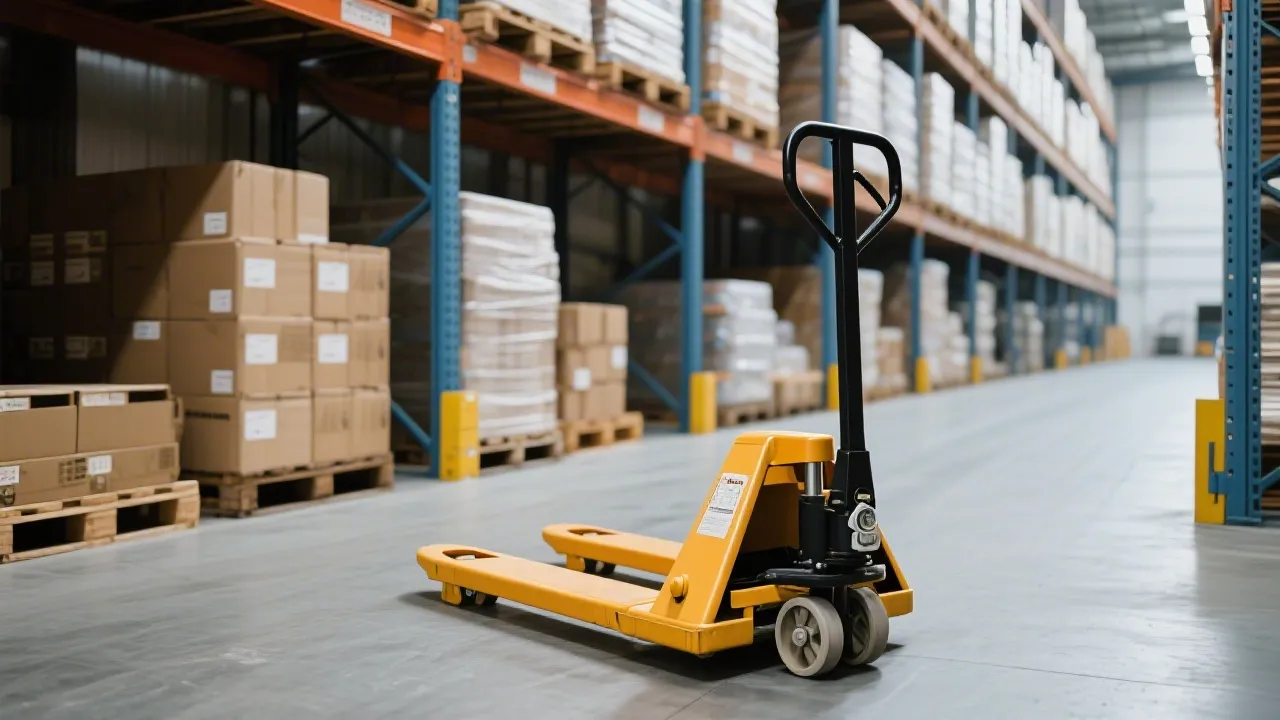
In the domain of logistics and material handling, the transpaleteira patolada emerges as a crucial piece of equipment. Known primarily for its utility in transporting pallets within tight warehouses, this device is recognized for its unique fork-like design which allows easy lifting and moving of loads. With the ability to navigate narrow aisles, it ensures operational efficiency in environments where space is at a premium. The transpaleteira patolada serves as an ideal alternative to more bulky machinery, making it an invaluable tool for businesses aiming to optimize their space and workflow.
The Importance of Versatility in Material Handling
The transpaleteira patolada's versatile nature makes it ideal for various industries beyond just warehouses, such as retail and manufacturing. In retail environments, where speed and flexibility are paramount, the transpaleteira patolada allows employees to quickly restock shelves and manage inventory without causing disruption to customer flow. In manufacturing settings, it plays a vital role in moving raw materials and finished products through the assembly line and into storage, enabling companies to maintain a steady pace of production.
Its ergonomic design affords operators ease of use, reducing physical strain and the risk of workplace injuries. The reduction of manual labor not only fosters a safer work environment but also improves employee morale and productivity. Furthermore, its capability to handle diverse loads without the necessity of additional equipment maximizes its functional value across different sectors. The capacity to transport various pallet sizes also positions the transpaleteira patolada as a consolidating element within the supply chain, allowing businesses to streamline their logistics processes more effectively.
Detailed Design and Features
This equipment is characterized by its robust construction, which can withstand the demands of heavy use in demanding industrial applications. The forks of the transpaleteira patolada are typically adjustable, providing flexibility for different pallet sizes, which can range from a standard Euro pallet to larger custom-built pallets used in specific industries. Additionally, many models come equipped with features such as scale systems, which help in maintaining accuracy in load handling and inventory management. This is crucial for businesses that need precise measurements for compliance and tracking purposes.
Another significant feature of modern transpaleteiras is their ergonomic handle design. Equipped with an easy-grip handle, they can be maneuvered with minimal effort, allowing for smoother transitions even in busy environments. Some advanced models may also feature electric lifting capabilities, further reducing the workload and enhancing overall efficiency by minimizing user input during lifting operations. These elements combine to create a tool that meets the physical demands of moving heavy loads while still promoting operator comfort and safety.
Comparative Analysis of Models
| Modelo | Capacidade de Carga | Características Especiais |
|---|---|---|
| Modelo A | 1500 kg | Peso leve e força motriz elétrica. |
| Modelo B | 2000 kg | Equipado com balança incorporada. |
| Modelo C | 2500 kg | Estrutura reforçada para cargas pesadas. |
When selecting the right transpaleteira patolada model, it is crucial to consider the specific operational needs of your environment. For instance, businesses that handle lighter loads frequently might find Modelo A most suitable due to its lightweight design and electric assistance, which aids in productivity without the burden of excessive weight. On the other hand, companies dealing with denser, heavier materials could benefit from the enhanced capacity and durability of Modelo C, ensuring that they can safely manage their load demands without compromising on safety or efficiency.
Maximizing Warehouse Efficiency
Integrating a transpaleteira patolada into a warehouse system not only streamlines operations but also enhances safety by minimizing manual lifting. Businesses can implement transpaleteiras patoladas in a variety of capacities to support different operational flows, from unloading shipments to organizing stock and even loading trucks for distribution. By deploying this equipment strategically, businesses can improve workflow, reduce turnaround times, and ultimately, boost overall productivity.
Moreover, the use of this equipment allows for more efficient inventory management. By utilizing the transpaleteira patolada to move goods promptly and safely, companies can maintain higher levels of inventory accuracy. This is especially helpful in e-commerce settings, where fast and accurate order fulfillment is crucial for maintaining customer satisfaction. Improved inventory control also helps in reducing carrying costs and minimizes stock discrepancies that can lead to financial losses.
Training staff on best practices for using the transpaleteira patolada, including proper lifting techniques and maintenance procedures, contributes significantly to maximizing its benefits. Regular maintenance checks and operator training ensure longevity and efficacy in the day-to-day challenges of warehouse operations. This commitment to effective training not only enhances productivity but also fosters a culture of safety and responsibility among workers.
Environmental Impact and Sustainability Considerations
In recent years, the conversation surrounding environmental sustainability in material handling has gained momentum. As companies strive to meet modern standards for sustainability, the transpaleteira patolada plays an essential role in promoting eco-friendly practices. By reducing the reliance on larger, fuel-guzzling machinery, businesses can minimize their carbon footprint while still achieving high levels of efficiency in their operations.
Many contemporary models of the transpaleteira patolada also feature energy-efficient technologies. Electric variants, for example, not only reduce noise levels within the workplace but also consume less energy compared to traditional forklifts and heavy equipment. Utilizing electric models can significantly lower operational costs while also aligning with corporate social responsibility goals aimed at reducing environmental impact.
Choosing sustainably manufactured transpaleteiras, made from recycled materials and designed for longevity, further enhances a company's overall sustainability profile. Such practices resonate well with consumers today, who are becoming increasingly conscious of how their purchasing and consumption choices affect the planet. By investing in these forward-thinking approaches, businesses can position themselves as leaders in the industry, capable of attracting customers who prioritize sustainability.
FAQs
1. What is the load capacity of a typical transpaleteira patolada?
The load capacity varies by model but typically ranges from 1500 kg to 2500 kg. It is essential to choose a model that aligns with your operational needs and load types to ensure safety and efficiency.
2. Can it be used in outdoor environments?
While primarily designed for indoor use, certain models with reinforced structures can be utilized in outdoor settings, provided the terrain is smooth. It is important to assess environmental conditions to ensure safety and optimal performance.
3. Is additional training required for operation?
Yes, operators should undergo training to handle the transpaleteira patolada safely and efficiently. This training usually covers operational techniques, safety protocols, and equipment maintenance, ensuring that users are well-prepared to operate the machinery effectively.
4. What maintenance is required for the transpaleteira patolada?
Regular maintenance is critical for the longevity of the transpaleteira patolada. Routine checks should include inspecting wheels, brakes, and hydraulic systems to ensure all components function properly. Lubrication of moving parts and cleaning of the equipment also help prevent wear and tear over time, maintaining the equipment in peak working condition.
5. Are there any industry-specific adaptations available for the transpaleteira patolada?
Yes, many manufacturers offer specialized versions of the transpaleteira patolada designed for specific industries, like food and beverage, pharmaceuticals, and heavy manufacturing. These adaptations can include hygiene-enhancing materials, specific size adjustments, or reinforced structures to suit the unique requirements of those sectors.
Conclusion
Embracing the transpaleteira patolada within logistics operations is a step towards optimizing efficiency and safety. As the demands of modern warehouses continue to evolve, such equipment not only meets current challenges but also prepares businesses for future advancements in material handling. The transpaleteira patolada stands out as an essential investment for companies looking to improve their operational capabilities and sustainability efforts while maintaining high standards of safety and employee well-being.
By understanding the full spectrum of benefits and applications associated with transpaleteiras, businesses can harness their potential effectively, driving growth and ensuring a competitive edge in an increasingly demanding market. As innovations continue to emerge within this field, staying informed and adaptable will be key to capitalizing on the efficiencies these machines offer.