Comprehensive Guide to Transpaleteira Patolada
Explore the utilization and advantages of the transpaleteira patolada, a vital tool in material handling and logistics. This equipment, renowned for its versatility and efficiency, is widely used across industries to transport goods within warehouses and factories. Delve into its features, operational guidelines, and maintenance tips for optimum performance.
Understanding the Role of Transpaleteira Patolada
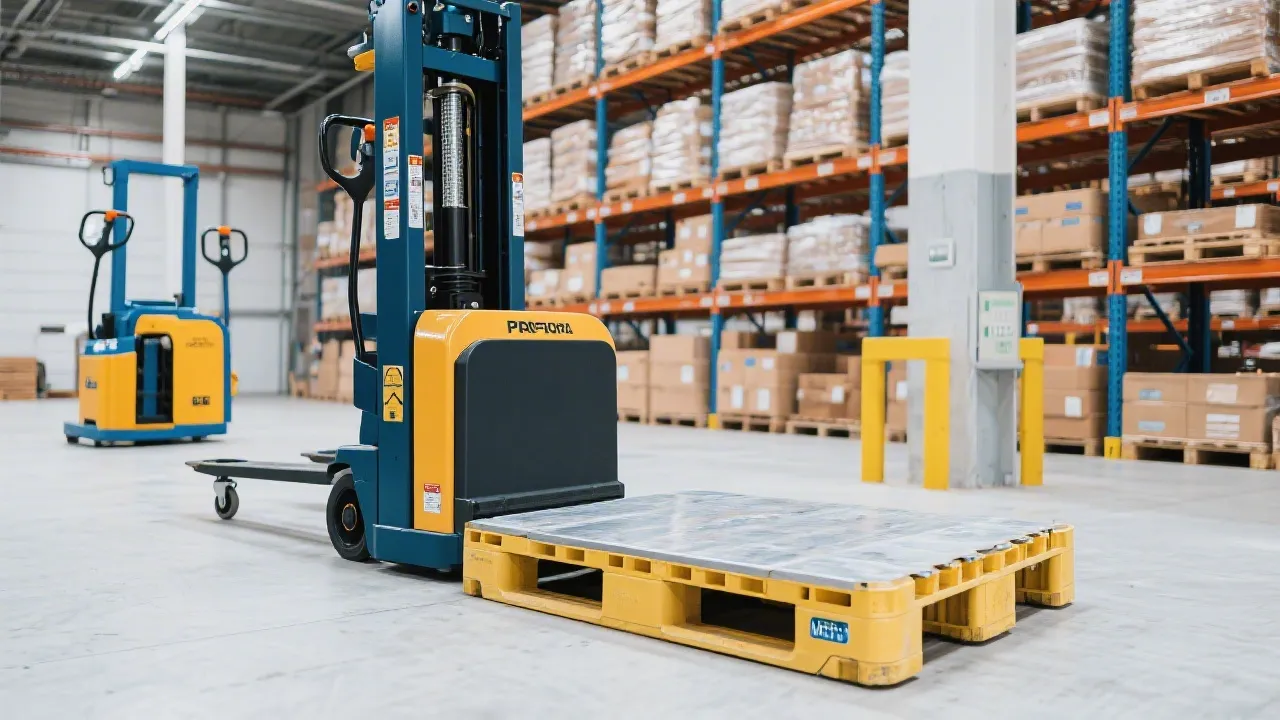
A transpaleteira patolada is an essential piece of equipment in the logistics and materials handling sectors. Known for its efficiency and versatility, this manual or electric-powered machine is specifically designed to lift and move pallets within warehouses, factories, and retail environments. Its functionality allows businesses to manage resources effectively, reducing the time and labor required for pallet movement as well as improving the overall workflow in various facilities. In an era where speed and accuracy in supply chain management are critical, the transpaleteira patolada serves as a vital tool to meet those demands.
Key Features and Benefits
The transpaleteira patolada is equipped with features that contribute to streamlined warehouse operations. These include adjustable forks for varied pallet sizes, robust construction for durability, and user-friendly controls for ease of handling. The adjustable forks provide versatility, allowing operators to handle different pallet configurations, whether they are standard sizes or custom dimensions. Furthermore, the durable materials used in construction ensure that the equipment can withstand the rigors of daily operations, which can often involve heavy loads and challenging environments.
Among its many benefits, users report enhanced productivity and reduced risk of workplace injuries. The ergonomic design of many models helps minimize strain on the operator, making it easier to lift and maneuver pallets without excessive force. Additionally, the intuitive controls facilitate smoother operations, allowing workers to quickly become proficient in using the equipment. Overall, the ability to move significant loads safely and efficiently translates directly into time and cost savings for organizations.
Operational Guidelines for Optimal Performance
To ensure the longevity and efficiency of a transpaleteira patolada, operators should adhere to specific guidelines. Regular maintenance, such as checking hydraulic fluid levels and inspecting wheels for wear, is crucial. Operators should familiarize themselves with the manufacturer's guidelines on optimal load distribution, as overloading can lead to mechanical failure and potential injuries. Moreover, proper training on load limits and safe maneuvering is essential for preventing accidents. Understanding the layout of the workspace is equally important, as navigating tight corners or congested areas poses more significant challenges for operators.
Proper training sessions can also emphasize the importance of a clear path for maneuvering the transpaleteira patolada. This includes the removal of obstacles in work areas and ensuring the ground is clean and level to prevent accidents. Additionally, educating workers on recognizing when loads are unstable or improperly balanced can prevent mishaps during transport. Following these operational guidelines not only promotes worker safety but also extends the lifespan of the equipment itself, ensuring continuous productivity for the businesses relying on it.
Maintenance Tip Table
| Maintenance Aspect | Guideline |
|---|---|
| Hydraulic System | Regularly check for leaks and maintain fluid levels. |
| Wheels | Inspect for wear and tear; replace as needed. |
| Controls | Ensure all controls are functioning correctly and are responsive. |
| Forks | Check for bending or damage, replace if necessary. |
| Overall Structure | Inspect for any loose screws or components. |
Industry Insights
According to industry reports, the demand for transpaleteiras patoladas is consistently rising, driven by the growth of e-commerce and the need for efficient supply chain solutions. These machines are indispensable for high-volume warehouses where quick and safe pallet movement is critical. With the rapid expansion of the online shopping market, companies are investing in better logistics tools to keep up with inventory management and customer deliveries.
Moreover, innovations in design and technology have led to the development of even more advanced models of transpaleteiras patoladas. Features such as integrated weight scales, advanced battery technology in electric models, and ergonomic handles that reduce muscle fatigue are becoming increasingly common. These advancements not only enhance operational efficiency but also contribute to an overall improved working environment by promoting better ergonomic practices and reducing physical strain on employees.
As competition in various industries continues to grow, maintaining high standards of efficiency is paramount. The transpaleteira patolada can be a game-changer, helping businesses adapt to ever-evolving market demands. This not only improves warehouse logistics but also enhances overall customer satisfaction by ensuring timely and accurate deliveries.
FAQs
- What is the maximum load capacity for a transpaleteira patolada? Generally, these machines can handle loads up to 2,000 kg, but it's advisable to consult the manufacturer's specifications. Overloading the transpaleteira can lead to mechanical failures and can also be unsafe for operators.
- How often should maintenance be conducted? Routine inspections should be conducted monthly, with a full service scheduled annually. Keeping a maintenance log can help monitor any repairs and ensure that all maintenance is performed on time.
- Are there electric models available? Yes, electric transpaleteiras offer greater efficiency and ease of use, especially for larger warehouses. With adjustable speed settings and improved lift capacities, electric models are suitable for extensive operations where constant movement is required.
- Can a transpaleteira patolada operate on uneven surfaces? While most transpaleteiras are designed to work on flat, even surfaces, some heavy-duty models may have features that allow for limited maneuverability on uneven ground. However, caution should be exercised to ensure safety.
- What safety features should I look for in a transpaleteira patolada? Look for features such as emergency stop buttons, integrated brake systems, and safety warning systems that alert operators to hazards. Additionally, some models offer automatic lowering features to prevent accidents when the operator releases the controls.
Conclusion
The transpaleteira patolada is a cornerstone of efficient warehouse operations, offering unparalleled efficiency and safety. By adhering to proper usage and maintenance protocols, businesses can ensure that these machines remain reliable assets in their logistics operations. As warehouses continue to evolve with new technologies, the role of the transpaleteira patolada will only become more significant, further solidifying its place as an indispensable tool in material handling.
Future Trends and Innovations
With the rapid advancement of technology and the growing emphasis on automation in logistics, the future of transpaleteira patolada looks promising. Innovations such as automated guided vehicles (AGVs) and smart sensors are beginning to emerge in the realm of pallet jacks, ushering in an era where these machines could potentially operate autonomously or semi-autonomously.
One of the key trends expected in the coming years is the incorporation of IoT (Internet of Things) technology. This would enable transpaleteiras patoladas to be connected to a central system that monitors their operation in real time. Businesses could gain insights about utilization rates, maintenance needs, and operational efficiency, allowing for better decision-making and optimized resource allocation.
Additionally, sustainability practices are becoming increasingly important. Manufacturers are working on creating more energy-efficient electric pallets that use less power and have a lower environmental footprint. Eco-friendly materials and the introduction of battery recycling programs will provide avenues for companies to take part in sustainable practices while still benefiting from advanced logistics technology.
As e-commerce continues to fuel demand for logistics services, the ability for businesses to adapt and integrate these advanced solutions will be critical in maintaining a competitive edge. The evolving capabilities of the transpaleteira patolada will play an essential role in meeting the challenges of tomorrow's supply chains.
Training Best Practices
Providing proper training for operators of transpaleteiras patoladas is crucial not only to ensure safety but also to maximize the efficiency of these machines. Training programs should encompass a variety of elements aimed at enhancing user competency and covering essential operational knowledge.
Firstly, a comprehensive training module should address the fundamental mechanics of the transpaleteira patolada. Operators should be educated on how the hydraulic system functions, the importance of balancing loads, and how to identify signs of wear and potential malfunctions. Interactive sessions that include hands-on practice with the machines can also significantly increase retention of knowledge and foster a sense of confidence among the users.
Furthermore, safety protocols must be highlighted during training. This includes understanding load limits, recognizing the safe distance to maintain from other workers while operating the machine, and protocols for what to do in case of an emergency. Real-life scenarios and simulations can provide valuable lessons on how to react swiftly and effectively in unexpected situations.
In addition to operational and safety training, regular refresher courses should be part of company policy. As the workplace evolves, so do the challenges and technologies involved. Keeping staff updated on new features, best practices, and any new regulatory requirements related to material handling equipment is essential to ensure ongoing compliance and safety.
Lastly, encouraging feedback from operators can lead to continuous improvement in training programs. Operators can provide valuable insights into what challenges they face and what areas they feel need further education. By listening to the workforce, employers can optimize their training approaches to better meet the needs of their employees and the operational requirements of their facilities.
Implementing Technology for Enhanced Efficiency
In the quest for maximizing efficiency, the integration of technology into the usage of transpaleteiras patoladas cannot be overlooked. One effective implementation is through the use of software systems that can track inventory and pallet movements within the warehouse. This allows for real-time updates on the status of goods, optimizing stock levels and reducing the risk of overstocking or stockouts.
Moreover, utilizing barcoding systems or RFID technology can expedite the process of inventory management. When combined with the use of transpaleteiras patoladas, workers can quickly scan items as they are moved in and out of storage, drastically reducing the time spent on manual entry and potential human error. By automating these processes, businesses not only save time but also improve accuracy in their inventory records.
Another technology-driven solution is implementing fleet management applications that allow for monitoring of equipment usage across multiple sites. For companies operating several warehouses, tracking the performance and efficiency of each transpaleteira patolada can reveal areas for improvement and opportunities for cost savings. Such systems can also assist in scheduling maintenance, reducing downtime, and extending the lifespan of the equipment.
Artificial intelligence is starting to play a role in predicting maintenance needs and performance analytics. By analyzing data collected from various machines, AI can provide insights into patterns that indicate when a transpaleteira patolada might need servicing before an issue arises, thereby avoiding unexpected breakdowns and costly repairs.
Conclusion
The transpaleteira patolada holds a pivotal position in the logistics framework of modern businesses. Equipped with innovative features, strong construction, and a capacity to adapt to various operational needs, it represents a blend of practicality and advanced technology. Ongoing maintenance and proper operator training are essential to ensure its longevity and efficient performance.
As the landscape of supply chain management continues to evolve, the advancements in technology and the growing demand for efficiency suggest that the transpaleteira patolada will remain a relevant and invaluable asset in warehouses and logistics operations worldwide. By embracing these innovations and adopting best practices, companies can navigate the complexities of modern logistics with confidence, ensuring they meet customer expectations and thrive within their industries.